
Texas Catholic Voice May 2026

In this issue of the Texas Catholic Voice:
– TEFA Award notifications sent to families of 95,935 students
– May Matters – Vote May 26
– Welcome to Bishop-elect Gomez
– Bishops’ statement on Texas’ 600th execution
– And more!
Bishops denounce death penalty as Texas executes 600th person
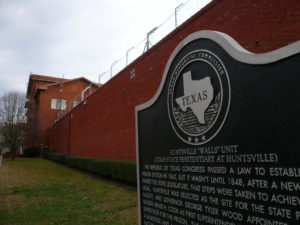
Tonight, the State of Texas executed the 600th person by lethal injection. The bishops of Texas again denounce the death penalty for its detrimental effects on the victims of violence and all society. Their statement follows:
Read MoreTexas Catholic Voice April 2026

In this issue of the Texas Catholic Voice:
– Clarification on church teaching regarding war and call for peace
– TEFA award notifications begin April 17
– Proposed Housing and Urban Development (HUD) rule on mixed-status families
– Fair lending conversation in College Station
– April is Child Abuse Prevention Month
– And more!
Texas Catholic Voice March 2026

In this issue of the Texas Catholic Voice:
– Vote in primary elections March 3
– Join the Holy Father in praying for peace and disarmament
– TEFA family applications portal closes March 17
– Presidio la Bahia in Goliad and the Texas Historical Commission
– Justice & Mercy Poetry Contest
– And more!
Texas Catholic Voice February 2026
In this issue of the Texas Catholic Voice:
– Launch of largest parental school choice program in the US
– TCCB Teachers of the Year
– Immigration enforcement concerns
– Grants for Catholic Social Teaching
– And more!
TEFA Quick updates
TEFA Special Education Application Assistance

For parents whose children have special needs, these resources are especially helpful for parents whose children are in private school this year, as some of the application language for the special education issues may be less familiar to private school parents.
Read More2026 Teachers of the Year

Betta Festa, St. John Paul II Catholic School in Houston and Cecilia Cortez, Loretto Academy in El Paso, are the 2026 Texas Catholic Conference Bishops’ Elementary Teacher of the Year and High School Teacher of the Year, respectively.
Read MoreTexas Catholic Voice January 2026
In this issue of the Texas Catholic Voice:
– Martin Luther King Jr remembrance
– Texas Catholic Pro-Life Day
– Texas Education Freedom Accounts applications open soon
– And more!
Texas Catholic Voice December 2025

In this issue of the Texas Catholic Voice:
– Local bishops voted into USCCB leadership roles
– New bishop for the Diocese of Corpus Christi
– DACA amicus brief
– TEFA rules and January trainings
– And more!
How to get an IEP for your child

The new Texas Education Freedom Accounts provides priority access to funds for children with special needs. To qualify for these funds, a child must receive an evaluation and an Individualized Educational Plan (IEP) before the application deadline for the Texas EFA.
Read MoreTexas Catholic Voice November 2025
In this issue of the Texas Catholic Voice:
– Major changes for Texas Deferred Action for Childhood Arrivals (DACA) recipients
– ESA is now EFA
– Disruptions to SNAP benefits
– Affected Persons in Hearings on Concrete Batch Plant Registrations
– And more!
Obispos católicos de Texas responden a la decisión judicial sobre el estatus de los beneficiarios de DACA en el estado

Tras la decisión emitida este año por el Tribunal de Apelaciones del Quinto Circuito de EE.UU. en el caso Texas contra Estados Unidos, que probablemente afectará la situación legal de las personas inscritas en el programa de acción diferida para los llegados en la infancia (DACA) que residen en Texas (y no en ningún otro estado), los obispos católicos del estado han emitido la siguiente declaración:
Read MoreTexas Catholic bishops respond to court’s decision on status of DACA recipients in Texas
en Español AUSTIN – With the decision earlier this year by the U.S. Court of Appeals for the Fifth Circuit in Texas v. United States, which is likely to impact the lawful presence of people in the Deferred Action for Childhood Arrivals (DACA) program residing in Texas (and not any other state), the Catholic bishops…
Read MoreGrateful for stay of execution for Robert Roberson
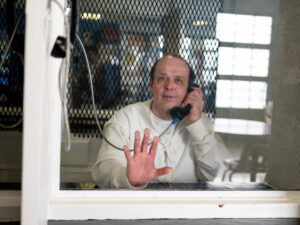
We are grateful for the stay of execution for Robert Roberson, and for his opportunity for justice through a new trial. As Court of Criminal Appeals Judge Bert Richardson wrote in a concurring opinion, “There is a delicate balance and tension in our criminal justice system between the finality of judgment and its accuracy based…
Read MoreTexas Catholic Voice October 2025

In this issue of the Texas Catholic Voice:
– ESA Updates
– Tribute to Kyleen Wright
– Upcoming Execution: Robert Roberson
– Welcome Bishop Danny
– And more!
Educacion arraigada en la fe

Estos recursos pueden ayudar a explicar las Cuentas de LIbertad de Texas para la Educación y cómo las familias pueden usarlas con el fin de mejorar la experiencia educativa de sus hijos.
Cada mensaje se ofrece en ocho variantes. Usted puede utilizar los gráficos y texto prediseñados, o bien personalizarlos con su logotipo, información de contacto u otros detalles, y emplearlos en redes sociales, sitios web, boletines digitales o impresos, volantes y boletines informativos, y en anuncios desde el púlpito u otras presentaciones verbales.
Su Hijo Su Decision Su EFA

Estos recursos pueden ayudar a explicar las Cuentas de Libertad de Texas para la Educación y cómo las familias pueden usarlas con el fin de mejorar la experiencia educativa de sus hijos.
Cada mensaje se ofrece en ocho variantes. Usted puede utilizar los gráficos y texto prediseñados, o bien personalizarlos con su logotipo, información de contacto u otros detalles, y emplearlos en redes sociales, sitios web, boletines digitales o impresos, volantes y boletines informativos, y en anuncios desde el púlpito u otras presentaciones verbales.
La educación católica al alcance de todos

Estos recursos pueden ayudar a explicar las Cuentas de Libertad de Texas para la Educación y cómo las familias pueden usarlas con el fin de mejorar la experiencia educativa de sus hijos.
Cada mensaje se ofrece en ocho variantes. Usted puede utilizar los gráficos y texto prediseñados, o bien personalizarlos con su logotipo, información de contacto u otros detalles, y emplearlos en redes sociales, sitios web, boletines digitales o impresos, volantes y boletines informativos, y en anuncios desde el púlpito u otras presentaciones verbales.
Read MoreUna nueva oportunidad para las familias

Estos recursos pueden ayudar a explicar las Cuentas de Ahorros de Texas para la Educación y cómo las familias pueden usarlas con el fin de mejorar la experiencia educativa de sus hijos.
Cada mensaje se ofrece en ocho variantes. Usted puede utilizar los gráficos y texto prediseñados, o bien personalizarlos con su logotipo, información de contacto u otros detalles, y emplearlos en redes sociales, sitios web, boletines digitales o impresos, volantes y boletines informativos, y en anuncios desde el púlpito u otras presentaciones verbales.
EFA resources for presentations
In English or Spanish, this powerpoint and handout can be used for presentations by school administrators.
Read MoreInvest in Your Child’s Faith and Future

The Texas Education Freedom Accounts (EFA) program is a groundbreaking opportunity for families who desire a Catholic education but have struggled with cost. Beginning in 2026, the state will provide qualified families financial support so parents can choose the best school for their child.
Read MoreYour Child. Your Choice. Your EFA.

The Texas Education Freedom Accounts (EFA) program is a groundbreaking opportunity for families who desire a Catholic education but have struggled with cost. Beginning in 2026, the state will provide qualified families financial support so parents can choose the best school for their child.
Read MoreCatholic education in reach

The Texas Education Freedom Accounts (EFA) program is a groundbreaking opportunity for families who desire a Catholic education but have struggled with cost. Beginning in 2026, the state will provide qualified families financial support so parents can choose the best school for their child.
Read MoreA New Opportunity for Families

The Texas Education Freedom Accounts (EFA) program is a groundbreaking opportunity for families who desire a Catholic education but have struggled with cost. Beginning in 2026, the state will provide qualified families financial support so parents can choose the best school for their child.
Read MoreTexas Catholic Voice September 2025
In this issue of the Texas Catholic Voice:
– Special session review
– ESA Rules have been posted
– TCCB Education news
– And more!
HB 7 allows new means to stop “abortions by mail,” while preventing additional harm to women
The Texas Catholic Conference of Bishops is grateful to the Texas House, Chairman Jeff Leach, and the House State Affairs Committee for the substantial improvements in the House substitute of HB 7. Unlike earlier versions, this bill is more restrictive of who can bring suits and includes significant privacy protections to prevent the potential harassment of women.
Read MoreTexas Catholic Voice August 2025
In this issue of the Texas Catholic Voice:
– Special session
– ESA implementation
– New superintendents
– Cowboy nuns of Cuba
– And more!
Texas bishops offer prayers and support for flood victims
The bishops of Texas join our Holy Father, Pope Leo XIV, in praying for all who have lost loved ones, especially young children, in the flooding affecting 20 counties in Texas since July 4. We ask you to also join us in praying for the first responders and others engaged in search and rescue operations,…
Read MoreTexas Catholic Voice July 2025
In this issue of the Texas Catholic Voice:
– Report on the 89th Texas Legislature
– ESA implementation
– Texas Catholic superintendents meet
– And more!
Coordinator of Special Education
The Coordinator of Special Education will assist the Director of Education and Accreditation in implementing a special needs program across Catholic schools. This position will play a vital role in ensuring that students with diverse learning needs receive appropriate support, accommodations, and inclusive educational opportunities aligned with both best practices and the mission of Catholic education. This is a full-time salaried position with a moderate degree of independent judgement that reports to the Executive Director and Director of Education and Accreditation. This position is funded for two years.
Read MoreTexas bishops express profound disappointment over decision to declare Texas Dream Act unconstitutional
The will of the Texas Legislature to enable the Texas Dream Act to continue has been overturned by a federal judge …The action by the Trump Administration and the Texas attorney general to ask a federal judge to overturn the law, and the subsequent ruling by the court, now propels our society further away from just and reasonable immigration reform that would foster human flourishing based in the tranquility of order and human dignity …
Read MoreTexas Catholic Voice June 2, 2025
In this issue of the Texas Catholic Voice:
– Legislature adjourns sine die
– SB 8 update
– Life affirming bills move to governor’s desk
– Grateful for funding for children’s education and protection
– ESA implementation coming soon
– And more!
Texas Catholic Conference of Bishops opposes SB 8
With recent changes, the TCCB opposes SB 8 out of concern that it does not adequately provide for uniform enforcement and training of local police officers who may now be authorized to enforce immigration laws in Texas.
Read MoreTexas Catholic Voice May 27, 2025
In this issue of the Texas Catholic Voice:
– Opposition to SB 8 withdrawn
– Grateful for funding for children’s education and protection
– Update on housing bills
– And more!
Texas Catholic Voice May 19, 2025
In this issue of the Texas Catholic Voice:
– Pope Leo on diplomacy (and advocacy)
– DREAM Act
– Thriving Texas Families
– Prison air conditioning
– Medical exemptions clarifications
– And more!
Texas Catholic Voice May 12, 2025
In this issue of the Texas Catholic Voice:
– A Beaumont welcome to our new pope!
– Human remains legislation
– And more!
Texas Catholic Voice May 5, 2025
In this issue:
– Four weeks remain of the 89th
– Honoring Franciscan missionary in Nacogdoches
– Texas Dreamers
– Fighting new lending product, Earned Wage Access
– And more!
Texas Catholic Voice April 28, 2025
In this issue:
– Emotional conclusion for SB 2; Gov. Abbott to sign this week.
– Support Texas Dream Act
– And more!
Texas Catholic Voice April 22, 2025
In this issue:
– Schools’ Texas Two-Step is advancing!
– Pope Francis
– And more!
Texas Catholic Voice April 14, 2025
In this issue:
– Support the Texas Two-Step for our schools
– Committee hearings
– Pope’s prayer intention for April
– And more!
Texas Catholic Voice April 7, 2025
In this issue:
– Updates on priority bills
– Budget considerations this week
– Photo gallery from Advocacy Day
– Pope’s prayer intention for April
– And more!
Texas Catholic Voice March 31, 2025
In this issue:
– Tomorrow is Catholic Advocacy Day!
– This week’s bill hearings
– And more!
Register support for bills being heard today!

Bills being heard in committee on April 1, 2025 To register (for those at the Capitol) You must register WHILE the Committee hearing is happening! A hearing may take hours, or it may be delayed in starting. If you don’t see a hearing, check again in 30-60 minutes, in case it was delayed. Otherwise you…
Read MoreTexas Catholic Voice March 25, 2025
In this issue:
– Congratulations to the new archbishop of Galveston-Houston!
– Catholics rallying at the Capitol next Tuesday!
– This week’s bill hearings
– And more!
Texas Catholic Voice March 17, 2025
In this issue:
– Good news from death row
– Marathon session on parental choice
– Bill hearings this week
– And more!
Contact your representative
Locate your Texas House Representative using the link below. Use the tips below to contact your representative. Email tips Expand You can find your legislator’s email address using this link. Here are a few tips to help maximize the impact of your email: Be brief. Keep your email to less than 300 words. Direct your…
Read MoreTexas Catholic Voice March 10, 2025
In this issue:
– Important hearing on education tomorrow!
– Other bills in committee hearings this week
– Prayers for Pope Francis
– Upcoming executions
– And more!
Visiting your legislator on Advocacy Day
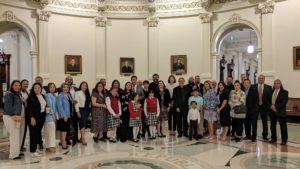
Teams of 3-5 with a team leader are assigned by their arch/diocesan Advocacy Day Coordinator to visit a Texas legislators’ office. These teams present and discuss information on specific bills on the Texas bishops’ Legislative Session Priorities with the legislator or his/her staff. This is an opportunity to educate, inform and be a witness to…
Read MoreAdvocacy Day Schedule

Highlight of the day is our 11:30 am rally, but there’s so much more!
Read MoreGeneral information

Command Center, photo permissions, hashtags and more information on the day!
Read MoreUnscheduled time at the Capitol? Here’s some ideas!
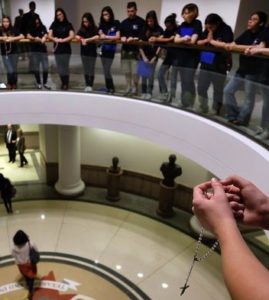
Between meetings and the rally, there’s plenty to do to practice faithful citizenship on Catholic Advocacy Day!
Read MoreTexas Catholic Voice March 3, 2025
In this issue:
– Please post your comments on bills related to education
– Other bills in committee hearings this week
– Ash Wednesday
– Prayers for Pope Francis
– Upcoming executions
– And more!
How to testify
In person 1.Check the schedule of upcoming hearings on the Texas Legislature’s website. (Full instructions are available online, too.) 2. Click on the “committee meetings” under either the House or the Senate – depending on where your bill of interest is – to find details about when it will be discussed, and if they’re taking…
Read MoreTestimony: Support SJR 12 so parents can engage in public school curriculum review and governance processes
Jennifer Allmon Executive Director of the Texas Catholic Conference of Bishops I am testifying in support of SJR 12. As the primary educators of their children, parents have the right and responsibility to direct their children’s education. Most Texas parents, whether by choice or because a private or homeschool alternative is financially impossible, will enroll…
Read MoreTestimony: SB 504 transparency good but current text too broad in scope
Jennifer Allmon Executive Director of the Texas Catholic Conference of Bishops I am testifying on SB 504. We thank Senator Kolkhorst for her commitment to transparency for tax funds distributed to non-profit entities in Texas. We believe that there should be transparency and accountability for the stewardship of tax dollars whether these dollars are spent…
Read MoreTexas Catholic Voice Feb. 24, 2025
In this issue:
– Support for public schools and parental choice
– Prayers for Pope Francis
– Bishop Kelly installed as Bishop of Tyler
– And more!
Review of HB3 on parental choice
HB3 meets all the requirements of the bishops’ criteria for supporting parental choice legislation because it includes 1) accountability through accreditation and the administration of a norm-referenced assessments, 2) strong religious liberty and private school autonomy protections, and 3) prioritization of the poor and vulnerable.
Read MoreTexas Catholic Voice Feb. 18, 2025
In this issue:
– House committees assigned
– Cardinal DiNardo honored
– Pope Francis’ prayer intention for vocations
– And more!
Texas Catholic Voice Feb. 10, 2025
In this issue:
– Parental choice legislation moves forward
– Some of governor’s emergency items are on bishops’ priorities
– And much more!
Testimony: SB2 meets minimum of bishops’ criteria for parental choice in education
Jan. 28, 2025 Testimony by Jennifer Allmon, Executive Director of the Texas Catholic Conference of Bishops I am testifying in support of SB 2. SB 2 meets the minimum requirements of the bishops’ criteria for supporting parental choice legislation because it includes: Accountability through accreditation and the administration of norm-referenced assessments. Strong religious liberty and…
Read MoreTexas Catholic Voice Jan. 27, 2025
In this issue:
– Texas bishops’ immigration statement
– Senate hearing on parental choice is Tuesday
– Advocating in Washington
– TCCB Teachers of the Year
– And much more!
2025 Teachers of the Year
Stephanie Webb Mark Clifford Teachers of the Year show lifelong dedication to their students and communities Stephanie Webb of St. Mary’s Catholic School in Tyler and Mark Clifford, who teaches at Bishop Dunne Catholic School in Dallas, are the 2025 Texas Catholic Conference Bishops’ Elementary Teacher of the Year and High School Teacher of the…
Read MoreTexas bishops call for just and humane approach to migration
The bishops of Texas will continue to work with governmental officials and other people of good will to implement policies that recognize the dignity of every person, prioritize family unity, and address the root causes of forced migration, while respecting the right and responsibility of our country to secure its borders, regulate immigration in an orderly process, maintain the rule of law, and keep its communities safe and peaceful.
Read MoreTexas Catholic Voice Jan. 20, 2025
In this issue:
– Cardinal Daniel DiNardo retires, Bishop Vasquez named to succeed him
– New legislature, new speaker
– Join rallies for life and against human trafficking
– How to stay up-to-date on legislative activity
– Pope’s video for January: the right to an education
– And more!
Welcome to the 89th Legislature

Blessings for the 89th Legislature! We are praying for all legislators and staff and for a productive session. All are welcome to our events and services…
Read MoreTexas Catholic Voice December 2024
In this issue:
– Tyler Diocese receives new bishop
– Texas Legislature convenes in January
– Robert Roberson’s fight for life and justice
– Pope’s video for December: For pilgrims of hope
– And more!
Texas Catholic Voice November 2024
In this issue:
– Texas Legislature bill filings underway
– Parishes encouraged to welcome Heart Galleries of Texas
– Robert Roberson’s fight for life and justice
– Pope’s video for November: For those who have lost a child
– And more!
Texas Catholic Voice October 2024
In this issue:
– New Texas legislative priorities
– Robert Roberson’s fight for life and justice
– Pope’s video for November: For those who have lost a child
– And more!
Texas Catholic Voice Sept. 30 2024
In this issue of the Texas Catholic Voice:
Robert Roberson execution …
National Blue Ribbon schools …
How to register to vote …
Mental Health Sunday …
And more!
Four Catholic schools in Texas named Blue Ribbon
U.S. Secretary of Education Miguel Cardona announced the 2024 National Blue Ribbon Schools. Forty-one private schools received this distinguished recognition., and four of those were our own Catholic schools! Read more about our Blue Ribbon Schools!
Read MoreTexas Catholic Voice September 2024
In this issue of the Texas Catholic Voice: Info for public school parents … Upcoming executions … How to register to vote … And more! A Message from Jennifer Allmon, Executive Director The unofficial end of summer is upon us, and we are now gearing up for the 89th legislative session which kicks off on…
Read MoreHow to promote resources for parental engagement

Parental Engagement in Public Schools is a resource guide for families with students in public schools. Please consider using the pulpit/bulletin announcement below, or the linked postcard-sized announcements (which can be printed or shared on social media) to make families aware of this resource. As the primary educators of their children, parents have the right…
Read MoreTexas Catholic Voice July 2024
In this issue of the Texas Catholic Voice: Let’s Civilize It … Hearing on parental choice … Abortion rulemaking update … And more! A Message from Jennifer Allmon, Executive Director Five years ago, the US bishops launched the initiative Civilize It, in response to the call of Pope Francis for “a better kind of politics.”…
Read MoreTexas Catholic Voice June 2024
In this issue of the Texas Catholic Voice: Anniversary gives time for reflection … Pray for deepening of eucharistic life … And more! A Message from Jennifer Allmon, Executive Director June 24 marked the two-year anniversary of the Supreme Court decision Dobbs v. Jackson Women’s Health Organization which overturned Roe v. Wade. It’s remarkable to…
Read MoreTexas Catholic Voice May 2024
In this issue of the Texas Catholic Voice: Texas Supreme Court supports life-giving care … New legislators … Pope’s prayer request … And more! A Message from Jennifer Allmon, Executive Director On May 31, the Texas Supreme Court ruled unanimously in favor of the state in Zurawski v. Texas, a case challenging the Heartbeat Act…
Read MoreTexas Roman Catholic Bishops’ guidelines for the use of sacramental wine in correctional institutions in Texas
Valid celebration of the Eucharist (Mass) requires the use of a small amount of wine. It need only be consumed by the priest. The Texas Catholic Conference of Bishops issued guidelines regarding the use of wine inside correctional institutions. Texas Roman Catholic Bishops’ guidelines for the use of sacramental wine in correctional institutions in Texas…
Read MoreTexas Catholic Voice April 30, 2024
In this issue of the Texas Catholic Voice: Texas Medical Board’s proposed rule changes regarding exceptions to abortion ban … Death row … Pope’s prayer request … And more! A Message from Jennifer Allmon, Executive Director Death Penalty We are overjoyed that the district judge in Cameron County has recommended to the Texas Court of…
Read MoreComments on Texas Medical Board rule changes
Pregnancy complications can be life threatening for both mother and baby and a life-limiting diagnosis of an unborn child is devastating. Some media and advocacy groups are exploiting tragic stories to expand so-called abortion rights. We will continue to advocate for the highest levels of authentic medical care and support for pregnant women, their unborn…
Read MoreTexas Catholic Voice March 27, 2024
In this issue of the Texas Catholic Voice: Support for difficult pregnancies … Update on SB4 implementation … No executions scheduled … And more! A Message from Jennifer Allmon, Executive Director Abortion On Friday, March 22, the Texas Medical Board (TMB) heard testimony on proposed rules for exceptions to the abortion ban in Texas law…
Read MoreSt. Joseph’s intercession sought in upcoming Supreme Court decision

On March 26, the U.S. Supreme Court will hear oral arguments in a case that has the potential to make a major impact in the widespread accessibility of chemical abortion (abortion pills). Chemical abortions are now the most common form of abortion in the United States. The case is in response to the Food and…
Read MoreTexas bishops express gratitude for response to tragedy of Panhandle wildfires

AUSTIN — The Texas Catholic Conference of Bishops opened their Spring meeting with a renewed expression of gratitude for all who are responding to wildfires in the state’s Panhandle, and prayers for those affected by the disaster. For four weeks a series of deadly wildfires have caused suffering across the region, with loss of life…
Read More‘Great tragedy’ in Texas Panhandle calls for response

The Texas Catholic Conference of Bishops recognizes the great tragedy unfolding in the panhandle region of Texas and Oklahoma, and asks for prayers and support for all. “Our Catholic brothers and sisters are united with all who are suffering from the tragic wildfires,” said Bishop Patrick Zurek of the Amarillo Diocese, where the wildfires are…
Read MoreTexas Catholic Voice Feb. 29, 2024
In this issue of the Texas Catholic Voice: Texas executes Ivan Cantu … Unsecured consumer loans … Annunciation House in El Paso … And more! A Message from Jennifer Allmon, Executive Director Yesterday, Ivan Cantu was killed by the State of Texas, despite strong evidence that he was denied a fair trial due to an…
Read MoreTexas bishops express support of “people of faith” serving on the border
The Texas Catholic Conference of Bishops provides the following statement: The Texas bishops join Bishop Mark Seitz of El Paso in expressing solidarity with ministry volunteers and people of faith who seek only to serve vulnerable migrants as our nation and state continue to pursue failed migration and border security policies. We recognize migrant ministry…
Read MoreTexas Catholic Voice Jan. 31, 2024
In this issue of the Texas Catholic Voice: Updates on efforts to stop abortion … Congratulations to our teachers of the year! … Pope Francis’ intention for February for terminally ill … And more! A Message from Jennifer Allmon, Executive Director Happy New Year, TCV readers! We hope you had a joyful and peaceful Christmas.…
Read More2024 Teachers of the Year
Gracie Cantu Alanna Heyl Teachers of the Year show lifelong dedication to teaching Mrs. Gracie Cantu, who teaches at Sacred Heart School in Rockport, and Mrs. Alanna Heyl, theology teacher at St. Dominic Salvo High School in Austin, are the 2024 Texas Catholic Conference Bishops’ Elementary Teacher of the Year and High School Teacher of…
Read MoreBishops celebrate court’s affirmation of EMTALA protection of unborn
The Texas Catholic Conference of Bishops (TCCB) celebrates the decision on Jan. 2, 2024, by the US Fifth Circuit Court of Appeals to uphold the permanent injunction of a Department of Health and Human Services (HHS) guidance issued last summer. In its decision in State of Texas v. Becerra, the court held that the Emergency…
Read MoreResponse to migration legislation
The Texas Catholic Conference of Bishops continue to uphold church teaching regarding migration. Most recently, in a letter to the Texas Attorney General in addressing the question of “whether Texas has the sovereign power to defend itself,” the bishops said “they reaffirm their commitment to continue the Church’s ministries of outreach and education, and to…
Read MoreTexas Catholic Voice Dec. 18, 2023
In this issue of the Texas Catholic Voice: Blessings for Advent! … Parental choice to return another day … Challenges to abortion ban … And more! A Message from Jennifer Allmon, Executive Director Parental Choice in Education The fourth special session adjourned Sine Die on Tuesday, Dec. 5, without advancing any legislation that would provide…
Read MoreStatement on Texas Supreme Court’s Cox ruling
Jennifer Carr Allmon, the executive director of the Texas Catholic Conference of Bishops, has issued the following statement regarding the Texas Supreme Court’s ruling in the case of Kate Cox, who has challenged Texas’ ban on abortions. The Texas Supreme Court’s ruling in the case of Kate Cox, a pregnant woman who challenged the abortion…
Read MoreJob Opening: Staff Attorney
The Texas Catholic Conference of Bishops is seeking applications for the position of Staff Attorney. Inquiries should email resumes and a writing sample related to something on the legislative agenda of the TCCB to info@txcatholic.org. Writing sample examples include a portion of an amicus brief, legislative testimony, public comment on a rule, or analysis of bill.…
Read MoreTexas Catholic Voice Nov. 20, 2023
In this issue of the Texas Catholic Voice: Difficult week at the Capitol … Rest in peace, David Renteria … And more! A Message from Jennifer Allmon, Executive Director These past few days have been a challenging time at the Legislature. Last Tuesday the House passed SB 4, sending it to the governor’s desk.…
Read MoreTexas Catholic Voice Nov. 13, 2023
In this issue of the Texas Catholic Voice: Fourth special session well underway … Rest in peace, Brent Brewer … And more! A Message from Jennifer Allmon, Executive Director Parental choice in education I am ecstatic to report that on Friday, for the first time in two decades, a parental choice bill was voted out…
Read MoreOppose HB 4, uphold the rights and dignity of every person, foster the common good
The following testimony was delivered on Nov. 9 before the House State Affairs Committee by Justin Estep, senior director of Immigration and Refugee Services, Catholic Charities of Central Texas. As a church of immigrants, the Catholic Church has a long history of involvement in the immigration issue. Our experience in working with immigrants throughout the…
Read MorePope Francis relieves Bishop Joseph Strickland, appoints Bishop Joe Vásquez as apostolic administrator sede vacante

WASHINGTON – Pope Francis has relieved the Most Reverend Joseph E. Strickland from the pastoral governance of the Diocese of Tyler. At the same time, the Holy Father has appointed the Most Reverend Joe S. Vásquez of Austin, as the Apostolic Administrator sede vacante of the Diocese of Tyler. These provisions were publicized in Washington,…
Read MoreTexas Catholic Voice Nov. 6, 2023
In this issue of the Texas Catholic Voice: Third special session closing … Pope Francis asks for prayers … Upcoming executions this month … And more! A Message from Jennifer Allmon, Executive Director Immigration The Senate Committee on Border Security took up a committee substitute to HB 4 on All Saints Day. The substitute removed…
Read MoreTexas Catholic Voice Oct 30, 2023
In this issue of the Texas Catholic Voice: HB 4 on immigration opposed… Update on parental choice … Stay of execution for William Speer … And more! A Message from Jennifer Allmon, Executive Director Immigration reform lacking Early Thursday morning, the House passed HB 4, which creates a state offense of improper entry to Texas,…
Read MoreHB 4 not solution for immigration reform
The following testimony was delivered on Oct. 19 before the House State Affairs Committee by Justin Estep, senior director of Immigration and Refugee Services, Catholic Charities of Central Texas. The Catholic Church has a long history of involvement in the immigration issue. Our experience in working with immigrants throughout the years compels us to speak…
Read MoreTexas Catholic Voice Oct 23, 2023
In this issue of the Texas Catholic Voice: Support HB 1 on parental choice … Oppose HB 4 on immigration… David Speer to be executed Thursday … Synod on Synodality … And more! A Message from Jennifer Allmon, Executive Director Last Thursday night, the long-awaited House parental choice bill was filed. HB 1 includes the…
Read MoreTexas Catholic Voice Oct 14, 2023
In this issue of the Texas Catholic Voice: SB1 on parental choice moving forward … Oppose SB 11 on immigration … Worldwide call to fast and pray for peace Oct. 17 … Respect life … And more! A Message from Jennifer Allmon, Executive Director Right around midnight Thursday night, the Senate passed SB 1, to…
Read MoreSupport SB1: Meets most of bishops’ criteria for supporting parental choice
The following was presented on Oct. 10, 2023. Jennifer Allmon, Executive Director My name is Jennifer Allmon, and I am the executive director of the Texas Catholic Conference of Bishops, testifying in support of SB 1. Fundamentally, we believe parents have the right and responsibility to direct their children’s education and Education Savings Accounts should…
Read MoreTexas Catholic Voice Sep 29, 2023
In this issue of the Texas Catholic Voice: Parental choice … Upcoming Executions … Universal Church is called to Synod … And more! A Message from Jennifer Allmon, Executive Director This is usually an uneventful time of year as far as Capitol business goes, but that has not been the case this past month! The…
Read MoreParental Choice Toolkit

These graphics can be used in bulletins and other printed materials and on social media to promote parental choice in education. 1. DOWNLOAD the image you want to share. 2. UPLOAD the image into a new social media post. 3. COPY & PASTE the following text into the post: Join me in asking our #TXLege House Representatives to support parental…
Read MoreBishops support parental choice
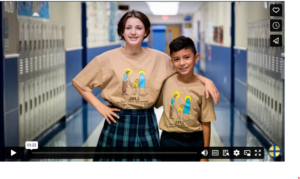
Contact your representative on parental choice

We need 75 votes in the Texas House to ensure parental choice. Contact your state representative and ask for more educational options for families who need it most. Please consider one of the following methods to contact your Texas House representative: 1. Customized contact by email or phone While this requires a few more minutes,…
Read MoreTexas Catholic Voice Aug 31, 2023
In this issue of the Texas Catholic Voice: Back to school … Grandparents and the Elderly Day … Holy Father’s prayer for October … And more! A Message from Jennifer Allmon, Executive Director It’s back to school and we are praying everyone has a safe and successful school year! We were delighted to host two…
Read MoreTexas Catholic Voice July 31, 2023
In this issue of the Texas Catholic Voice: Border tragedies … Special session this fall on parental choice … World Youth Day … And more! A Message from Jennifer Allmon, Executive Director The leaked email sent by a Texas State trooper stationed in Eagle Pass to command staff detailing the inhumane treatment of migrants and…
Read MoreBishops address border tragedies
The TCCB has issued the following statement in response to recent reports of inhumane actions on the border: Recent media reports present a disturbing account of horrific tragedies occurring along the Rio Grande on the Texas/Mexico border. These reports stir our hearts again for the plight of our sisters and brothers who are seeking a…
Read MoreTexas Catholic Voice June 30, 2023
In this issue of the Texas Catholic Voice: New accreditation associate director … Second special session begins … Special statement in response to US Congress members … And more! A Message from Jennifer Allmon, Executive Director On Tuesday the first special session of the 88th Legislature ended when the Senate adjourned Sine Die. (Special sessions…
Read MoreProposed changes to Medicaid and CHIP will critically weaken Texas health care safety net
TCCB Executive Director Jennifer Allmon has written to the Centers for Medicare and Medicaid Services of the federal Department of Health and Human Services, stating that a proposed rule released on May 3 “proposes changes to Medicaid’s financing, distribution, and adjudication that will critically weaken our health care safety net. These changes jeopardize the healthcare…
Read MoreArchbishop Sheehan, first bishop of Lubbock, dies June 3
Founding bishop of Lubbock Diocese, Archbishop emeritus Michael Sheehan of Santa Fe, remembered for life of service and faithRetired Archbishop Michael J. Sheehan of Santa Fe, the founding bishop of the Diocese of Lubbock, died June 3, 2023. He was buried June 9, 2023 from the Cathedral Basilica of St. Francis of Assisi in Santa…
Read MoreTexas Catholic Voice June 6, 2023
In this issue of the Texas Catholic Voice: “Sine die” report for 88th Legislature … What “sine die” means for special sessions … And more! A Message from Jennifer Allmon, Executive Director The last week of the regular legislative session is always a whirlwind of deadlines and bills dying and then being resurrected in amendments…
Read MoreSB 2: Fails to recognize years-long asylum process and due justice
Jennifer Carr Allmon, executive director of the Texas Catholic Conference of Bishops, delivered the following testimony in the first special session of the 88th Texas Legislature. The Catholic Church has a long history of involvement in the immigration issue. Our experience in working with immigrants throughout the years compels us to speak out on the…
Read MoreTexas Catholic Voice May 30, 2023
In this issue of the Texas Catholic Voice: 88th Legislature closes Monday … Special session #1 opens Monday … And more! A Message from Jennifer Allmon, Executive Director The last day of the 88th legislative session was yesterday, and we anticipate having the Sine Die report for our readers by next Monday. Governor Abbott, however,…
Read MoreTexas Catholic Voice May 22, 2023
In this issue of the Texas Catholic Voice: Life-affirming services for women and their families … HB 7 opposed … A doctor in the TCCB … And more! A Message from Jennifer Allmon, Executive Director Sine Die is one week away, and I know everyone is looking forward to enjoying some much-needed downtime. Last week…
Read MoreBishop Olson testifies in support of SB8, parental choice
My name is Bishop Michael Olson and I serve as the bishop of the Catholic Diocese of Fort Worth that covers 28 counties in North Texas. I am here to testify on behalf of the Diocese of Fort Worth and the Texas Catholic Conference of Bishops. We register initial support for the committee substitute for…
Read MoreTexas Catholic Voice May 13, 2023
In this issue of the Texas Catholic Voice: Early TCV with a call to action… Immigration carries blessings and challenges… And more! A Message from Jennifer Allmon, Executive Director This issue of Texas Catholic Voice is arriving in your inbox early because we need you to take action on parental choice. You may have seen…
Read MoreTexas Catholic Voice May 8, 2023
In this issue of the Texas Catholic Voice: Only 22 days remaining for the 88th Legislature … We’re hiring! Learn more … Bills in hearing, and much more! A Message from Jennifer Allmon, Executive Director Tragedies in Allen and Brownsville After such a deadly weekend in Texas, it is hard to publish our regular weekly…
Read MoreSUPPORT HB 3162: Texas Advance Directives Act Reform
Download this content This bill was developed after months of extensive negotiation. HB 3162 represents a substantially improved cooperative effort to comprehensively address this sensitive issue. Thank you, Chair Stephanie Klick, Sen. Drew Springer, Rep. James Frank and to the following stakeholder organizations who are supporting this bill: Texas Catholic Conference of Bishops Texans for…
Read MoreResponse Video Regarding Provision of so called “Gender Affirming Care”
The TCCB has been made aware of an undercover video showing a social worker employed by Dell Children’s Medical Group, a part of Ascension Seton, allegedly discussing the provision of so-called “gender affirming” care. Catholic hospitals do not discriminate against anyone and provide authentic healthcare to anyone who walks through their doors. We believe in…
Read More88th Legislature Immigration Bills
88th Legislature Immigration Bills For years, burdens of an unworkable system of immigration have fallen heavily on states and communities along the US-Mexico border. The human and moral cost of ongoing federal inaction to create an effective set of policies to ensure safe and orderly migration is tragically reflected both in an unprecedented number of persons…
Read MoreTexas Catholic Voice May 1, 2023
In this issue of the Texas Catholic Voice: Help stop bad bills about immigration and payday lending … We’re hiring! Learn more … Bills in hearing, and much more! A Message from Jennifer Allmon, Executive Director Only 29 days to go in the 88th Legislature and the deadline for House bills to be reported from…
Read MoreTexas Catholic Voice April 24, 2023
In this issue of the Texas Catholic Voice: Divine Mercy … Common sense … And other unexpected activities this past week! A Message from Jennifer Allmon, Executive Director Last Sunday was the feast of Divine Mercy and we are grateful this week a judge has shown mercy to Ivan Cantu by withdrawing his April 26…
Read MoreTexas Catholic Voice April 17, 2023
In this issue of the Texas Catholic Voice: Air conditioning and parental choice … Dangerous immigration bills … Payday lending bills … And more! A Message from Jennifer Allmon, Executive Director Last Thursday St. Mary Magdalen Catholic School in San Antonio hosted Governor Greg Abbott for a parental choice in education event. About 300 parents…
Read MoreTexas Catholic Voice April 10, 2023
In this issue of the Texas Catholic Voice: Parental choice in education moving forward … Support bills in hearing on parental choice this week … El Paso has a new bishop … And more! A Message from Jennifer Allmon, Executive Director Happy Easter! There are 48 more days until Pentecost Sunday and the following day…
Read MoreTexas Catholic Voice April 3, 2023
In this issue of the Texas Catholic Voice: Bills making progress… Bills in committee this week … And more! A Message from Jennifer Allmon, Executive Director Thank you to everyone who participated in Catholic Advocacy Day on Tuesday. We had a fantastic turnout at the rally, and the Catholic school students did a phenomenal job…
Read MoreTexas Catholic Voice Mar. 27, 2023
In this issue of the Texas Catholic Voice: Join us on Tuesday, 11:30 am … Bills in committee this week … And more! A Message from Jennifer Allmon, Executive Director Our highly anticipated Catholic Advocacy Day is tomorrow at the Capitol! A few thousand Catholics will be in attendance, including 1300 Catholic school students who…
Read MoreTexas Catholic Conference of Bishops supports parental choice in education bills
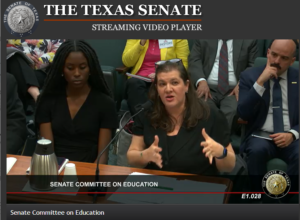
AUSTIN — Recognizing education is one of the best means to escape poverty and that parents are best suited to determine the right educational choice for their children, the Texas Catholic Conference of Bishops (TCCB) supports a set of bills increasing parental choice in education. The bills have been filed by Sen. Paul Bettencourt, Sen.…
Read MoreTexas Catholic Voice Mar. 20, 2023
In this issue of the Texas Catholic Voice: Hearings this week on parental choice … St. Joseph, pray for us! … And more! A Message from Jennifer Allmon, Executive Director Exciting developments at the Capitol to report this week! The first hearing for bills on parental choice in education will be on Wednesday, March 22,…
Read MoreLetter to Attorney General Paxton about Blaine amendments
The anti-Catholic history of Blaine amendments Today we submitted a letter to Texas Attorney General Ken Paxton outlining the anti-Catholic history of Blaine amendments and the constitutionality of parental choice Education Savings Accounts in Texas. Thank you to Nicole Garnett and the Notre Dame Law School Religious Liberty Initiative for assistance. Read the letter here
Read MoreTexas Catholic Voice Mar. 13, 2023
In this issue of the Texas Catholic Voice: Parental choice prioritized … Bills in hearing this week … Pope Francis’ tenth anniversary … And more! A Message from Jennifer Allmon, Executive Director Last week we offered two events for parents interested in increasing parental choice in education. On Monday in Killeen families attended a presentation…
Read More88th Legislature Parental Choice Bills
88th Legislature Parental Choice Bills The bishops’ criteria for supporting parental choice legislation includes the following: a preferential option for the poor and vulnerable, ensuring students with the greatest academic and financial need are first in line; academic accountability which requires accreditation and the administration of a norm- or criterion-referenced assessment each year (current practice…
Read MoreTexas Catholic Voice Mar. 6, 2023
In this issue of the Texas Catholic Voice: Filing deadline this Friday … Protecting children by streamlining registries… Bills in hearing this week … And more! A Message from Jennifer Allmon, Executive Director With only one week left to get bills filed before the March 10 deadline, the pace at the Capitol has become frenzied!…
Read MoreTexas Catholic Voice Feb. 27, 2023
In this issue of the Texas Catholic Voice: One third through the 88th session … Speaker prioritizes expanding Medicaid Bills in hearing this week … And more! A Message from Jennifer Allmon, Executive Director It was wonderful to see so many Catholics and other Christians, Republicans and Democrats, at the Ash Wednesday service in the…
Read MoreTexas Catholic Voice Feb. 20, 2023
In this issue of the Texas Catholic Voice: Governor’s priorities includes parental choice … Ash Wednesday … And more! A Message from Jennifer Allmon, Executive Director Last week Lt. Governor Dan Patrick announced his top 30 priorities, and on Thursday, Governor Greg Abbott delivered his State of the State address where he declared seven emergency…
Read MoreTexas Catholic Voice Feb. 13, 2023
In this issue of the Texas Catholic Voice: Join us in prayer each Wednesday… Payday lending … And more! A Message from Jennifer Allmon, Executive Director On Wednesday, Rep. Kyle Kacal hosted our first rosary this session. We are so grateful to him for continuing this beautiful tradition and we hope to recruit other Catholic…
Read MoreTexas Catholic Voice Feb. 6, 2023
In this issue of the Texas Catholic Voice: Standing for and with women… World Day of Prayer, Reflection and Action against Human Trafficking… And more! A Message from Jennifer Allmon, Executive Director The TCCB office was closed for most of last week due to the ice storm but working from home proved to be very…
Read MoreTexas Catholic Voice Jan. 30, 2023
In this issue of the Texas Catholic Voice: Teachers of the Year recognized … Catholic Schools Week begins … Rallying for life … And more! A Message from Jennifer Allmon, Executive Director Last Tuesday, Children at Risk hosted an anti-human trafficking rally at the Capitol. Father Paulo Puccini from St. Austin Catholic Parish offered a…
Read More2023 Teachers of the Year
Julie Ortiz Geralyn Klimitchek Teachers of the Year from small towns exemplify the vocation of educators Mrs. Julie Ortiz, who currently teaches at St. John Berchmans Catholic School in San Antonio, and Mrs. Geralyn Klimitchek, who has taught her entire career at Sacred Heart Catholic High School in Hallettsville, are the 2023 Texas Catholic Conference…
Read MoreTexas Catholic Voice Jan. 23, 2023
In this issue of the Texas Catholic Voice: A blessing on elected officials … Rally for life is Jan. 28 … Parental choice in schools … And more! A Message from Jennifer Allmon, Executive Director On Monday, Bishop Michael F. Olson of Fort Worth celebrated a Mass for the Blessing of Elected Officials of State…
Read MoreTexas Catholic Voice Jan. 16, 2023
In this issue of the Texas Catholic Voice: Legislative work beginning … Rallies for life and for Human Trafficking Awareness Month … Pope Francis asks us to pray for educators this month … And more! A Message from Jennifer Allmon, Executive Director Happy New Year, TCV readers! I hope you all had a peaceful and…
Read MoreTexas Catholic Voice November 2022
In this issue of the Texas Catholic Voice: Legislative work beginning … Catholic Advocacy Day is March 28 … Pope’s prayer intention for December … And more! A Message from Jennifer Allmon, Executive Director I hope everyone had a great Thanksgiving and now that Advent is upon us, wish you peace and joy. This time…
Read MoreTexas Catholic Voice October 2022
In this issue of the Texas Catholic Voice: Let’s raise the bar on political discourse … Catholic schools above average during pandemic … Great response to call for comments … Pope’s prayer intention for November … And more! A Message from Jennifer Allmon, Executive Director Happy All Hallow’s Eve from the TCCB! We are looking…
Read MoreTexas Catholic Voice September 2022
In this issue of the Texas Catholic Voice: Protecting human dignity, religious liberty … Novena to End the Death Penalty … Respect Life Month resources … Pope’s prayer intention for October … And more! A Message from Jennifer Allmon, Executive Director All of us at TCCB are honored to work for the Catholic Church in…
Read MoreProposed changes to ACA could mandate abortions and gender transition procedures

U.S. Department of Health and Human Services (HHS) Office for Civil Rights (OCR) Hubert H. Humphrey Building Room 509F 200 Independence Avenue SW Washington, DC 20201 Attention: 1557 NPRM (RIN 0945-AA17) Submitted online via: https://www.regulations.gov. Dear HHS, I am submitting comments on behalf of the Texas Catholic Conference of Bishops (TCCB). The TCCB is…
Read MoreTexas Catholic Voice August 2022
In this issue of the Texas Catholic Voice: Back to school, back to advocating for school choice … Mobilize for Mercy … Resources for prison ministries … Helping pregnant women … And more! A Message from Jennifer Allmon, Executive Director We have had a very busy summer at TCCB; now that Labor Day is upon…
Read MoreTexas Catholic Voice July 2022
In this issue of the Texas Catholic Voice: Supporting women and their families … Resources for prison ministry … Execution stayed, another upcoming … And more! A Message from Jennifer Allmon, Executive Director On Tuesday, July 26, the Supreme Court issued the final judgement in Dobbs v. Jackson Women’s Health Organization and one day later…
Read MoreTexas Catholic Voice June 2022
In this issue of the Texas Catholic Voice: Praising God for lives saved … Migrant deaths mourned … Upcoming execution … And more! A Message from Jennifer Allmon, Executive Director Since the Supreme Court issued its opinion last Friday that overturned Roe V. Wade, we have celebrated the countless lives that will be saved in…
Read MoreTexas bishops grateful for overturn of Roe v Wade

The Texas Catholic Conference of Bishops issued the following statement on the decision by the Supreme Court of the United States regarding Dobbs v Jackson: We celebrate with grateful hearts the historic decision by the Supreme Court of the United States to overturn Roe v. Wade. The state of Texas will again have the ability…
Read MoreTexas Catholic Voice May 2022
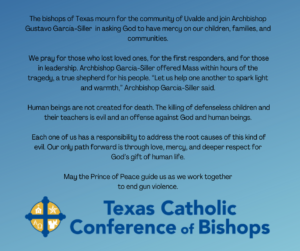
In this issue of the Texas Catholic Voice: Uvalde and common sense gun control … Religious Freedom Week … School choice … And more! A Message from Jennifer Allmon, Executive Director After the horrific school shooting in Uvalde, composing a newsletter to share an update about the various initiatives we have been working on feels…
Read MoreBishops mourn Uvalde victims of school shooting

AUSTIN — The Texas Catholic Conference of Bishops issued the following statement regarding the killings at the Robb Elementary School in Uvalde on May 24: The bishops of Texas mourn for the community of Uvalde and join Archbishop Gustavo García-Siller in asking God to have mercy on our children, families, and communities. We pray for…
Read MorePublic comment response to Rep. Matt Krause request
Jennifer Carr Allmon, executive director of the Texas Catholic Conference of Bishops, has written Attorney General Ken Paxton in response to an inquiry filed by Rep. Matt Krause. On behalf of the bishops of Texas, Allmon responds to Rep. Krause’s question of “Whether the federal government has failed to uphold its obligations to protect Texas…
Read MoreTexas Catholic Voice April 2022
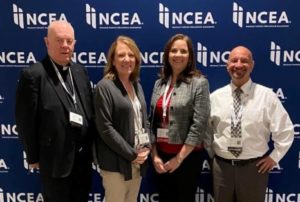
In this issue of the Texas Catholic Voice: Preserving life, even on death row … Access to interim hearings … NCEA report … And more! A Message from Jennifer Allmon, Executive Director During the Easter season while we rejoice in Christ’s triumph over death, the TCCB has been advocating for clemency in two death penalty…
Read MoreTexas bishops thankful Melissa Lucio’s execution is stayed

AUSTIN — The Texas Catholic Conference of Bishops thank and commend the Texas Court of Criminal Appeals for intervening at this late hour to spare the life of Melissa Lucio, a mother of 14 and a grandmother, who was scheduled for execution on April 27. Their full statement follows: Since her imprisonment 14 years ago…
Read MoreTexas bishops find execution of 78-year-old ‘an act of vengeance’
The Texas Catholic Conference of Bishops issued the following statement regarding the execution of Carl Buntion on April 21: Carl Buntion, 78, was one of the oldest death row residents. Having spent almost half of his life in the harsh conditions of Texas’ prisons, he was an elderly, infirm man suffering from multiple chronic health…
Read MoreTexas Catholic Voice March 2022
In this issue of the Texas Catholic Voice: Bishops support SCOTUS ruling … Statements on wildfires, Ukraine, Melissa Lucio … Vote in primary runoffs … Support for foster care youth … And more! The bishops met at the Mexican American Catholic College in San Antonio on March 21. MACC was founded by the Texas Catholic…
Read MoreTexas bishops affirm US Supreme Court ruling in Ramirez v. Collier
AUSTIN – The Texas Catholic Conference of Bishops, representing the 21 active bishops in the state, were relieved to hear the news of the March 23 decision by the Supreme Court of the United States to grant John Ramirez’ request to have his pastor audibly pray and lay hands on him as the State of…
Read MoreTexas bishops appeal to district attorney, state board and governor to spare the life of death row inmate Melissa Lucio
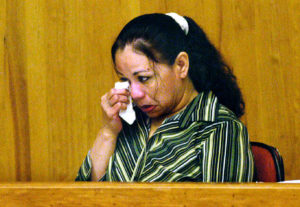
Bishops seek a withdrawal of execution date, stay of execution and clemency AUSTIN — The 21 Catholic bishops in active ministry in Texas have written Cameron County District Attorney Luis Saenz, the Texas Board of Pardons and Paroles, and Gov. Greg Abbott to spare the life of Melissa Lucio, a mother of 14 and a…
Read MoreTexas bishops offer solidarity to Ukraine

AUSTIN — The Texas Catholic Conference of Bishops issued the following statement regarding the war on Ukraine: “We reaffirm the words of Pope Francis, who has been unceasing in his appeal to stop the war on Ukraine. It is a ‘senseless massacre where every day there is a repetition of slaughter and atrocities. There is…
Read MoreTexas bishops pray for those affected by wildfires

AUSTIN — The Texas Catholic Conference of Bishops expressed gratitude for all who are responding to wildfires in the state, and prayers for those affected by the disaster. As of March 20, more than 62,000 acres in the state are ablaze, from Spring to just west of the Dallas Fort Worth metroplex. The largest fire,…
Read MoreTexas Catholic Voice February, 2022
In this issue of the Texas Catholic Voice: Fast for peace on Ash Wednesday … Your vote matters March 1 … Melissa Lucio sentenced to die April 27 … Walking with Moms in Need … Texas Catholic Historical Society meets … And more! A Message from Jennifer Allmon, Executive Director Tomorrow, March 1, is Election…
Read MoreTexas bishops call for mercy for mother facing execution

Melissa Lucio and her family deserve a review of her conviction AUSTIN — The Texas Catholic Conference of Bishops are asking the State of Texas to spare the life of Melissa Lucio, a mother of 14, and a grandmother, who is sentenced to die April 27. Melissa Lucio at court in 2008 in Brownsville, Texas.…
Read More2022 Teachers of the Year
Mrs. Olga Perez-Garcia Michael Alfers Teachers of the Year from Dallas, Laredo are shining examples of their profession Mr. Michael Alfers, who teaches social studies and coaches basketball at Dallas’ Bishop Dunne Catholic High School, and Mrs. Olga Perez-Garcia, who fills several roles at St. Augustine Elementary School in Laredo, are the 2022 Texas Catholic…
Read MoreTexas Catholic Voice Jan. 5, 2022
In this issue of the Texas Catholic Voice: Prayers to end human trafficking… 9 Days for Life… Join the virtual Catholic Social Ministry Gathering… And more! A Message from Jennifer Allmon, Executive Director With this first issue of 2022, we’re bringing you several local, national and international resources. We hope each of these, in its…
Read MoreTexas Catholic Voice December 2021
In this issue of the Texas Catholic Voice: 2021 Legislative Highlights… Advocacy in Washington DC… A Message from Jennifer Allmon, Executive Director TCCB staff is looking forward to the Christmas break to celebrate the birth of our Savior and spend time with family and loved ones. As we reflect on our work at the Legislature…
Read MoreTexas bishops urge President Biden to re-open healthcare funding for poor Texans
Approximately $10 billion in jeopardy due to disagreements regarding processing of payments to health care providers AUSTIN — The Texas Catholic Conference of Bishops (TCCB) has written President Joe Biden, asking him to intervene in a process which is severely impacting the health of poorer communities in Texas. Non-governmental hospitals provide at least half of…
Read MoreTexas Catholic Voice November 2021
In this issue of the Texas Catholic Voice: New curriculum regarding human sexuality… Two Texas bishops chairing USCCB committees… Pray for Dobbs … And more! … A Message from Jennifer Allmon, Executive Director In this season of Advent, a time of patient seeking and active waiting, I am reminded of the need to continue to…
Read MoreTexas Catholic Voice October 2021
In this issue of the Texas Catholic Voice: End of legislative session doesn’t mean end of our work … Payday lending … Pray for Dobbs … And more! … A Message from Jennifer Allmon, Executive Director The Texas House and Senate adjourned sine die on Oct. 19, and so we have reached what appears to…
Read MoreTexas Catholic Voice September 2021
In this issue of the Texas Catholic Voice: Bishops meet, celebrate the witness of Bishop Raymond Peña … Respect Life Month begins: pray for laws to protect mothers and babies … And more! … A Message from Jennifer Allmon, Executive Director This week the bishops of Texas were scheduled to attend their biannual meeting in San…
Read More“Heartbeat” law adds to Texas’ respect for mothers and families

AUSTIN — Texas’ new “heartbeat” law adds to a growing network of support for pregnant mothers and their families, the bishops of Texas said in a statement released Sept. 3. The full statement follows. This week in Texas a law protecting the unborn from abortion, once a heartbeat is detected, went into effect. For the…
Read MoreTexas Catholic Voice August 2021
In this issue of the Texas Catholic Voice: Passage of Chemical Abortion Safety Protocols victory for women School year’s begun Church’s ministry to migrants And more! … A Message from Jennifer Allmon, Executive Director As the second special session of the 87th Legislature draws to a close, we are very excited to report that today…
Read MoreStatement on passage of Chemical Abortion Safety Protocol (SB 4)
AUSTIN – The Texas Catholic Conference of Bishops (TCCB) congratulates the Texas House and Senate for passage of SB 4, the Chemical Abortion Safety Protocol. The bill, which protects the health and safety of women by ensuring the FDA regulations for chemical abortion are codified in Texas statute, is now ready for Governor Greg Abbott’s…
Read MoreCCUSA and Texas Catholic Conference of Bishops Address Ministry with Migrants
The Texas Catholic Conference of Bishops joined with Catholic Charities USA to issue the following statement: “I was hungry and you gave me food, I was thirsty and you gave me drink, I was a stranger and you welcomed me.” (Matthew 25) Alexandria, Va. (August 12, 2021) – Catholic Charities USA and its 167 member…
Read MoreTexas Catholic Voice June 2021
In this issue of the Texas Catholic Voice: Our report on the results of the 87th Legislature TCCB ED announces new associate dir. of accreditation And more! … A Message from Jennifer Allmon, Executive Director As promised at the end of session, we have compiled a full report of the results of our advocacy at…
Read MoreTexas Catholic Voice: May 24
In this issue of the Texas Catholic Voice: Legislature concludes May 31 … Death penalty resources for small groups … and more! A Message from Jennifer Allmon, Executive Director The 87th Texas Legislature closes “sine die” May 31. It’s been a historic session, what with the pandemic and the severe February winter storm, not to…
Read MoreTexas Catholic Voice: May 17
In this issue of the Texas Catholic Voice: Last week for committee action – Legislature concludes May 31 Execution scheduled for May 19 Laudato Si’ Week resources And more! A Message from Jennifer Allmon, Executive Director This is the final week of the Legislature in which committees can take action on bills, and next week…
Read MoreTexas Catholic Voice: May 10
In this issue of the Texas Catholic Voice: Senate bills addressing prolife and essential caregiver visitation rights Bills in committee this week Novena to St. Isidore and Marian shrine Rosary schedule And more! A Message from Jennifer Allmon, Executive Director Contact House Calendars Committee and ask them to set SB 394! This is the week…
Read MoreSupport Family Educational Relief Program, SB 1968
My name is Jennifer Allmon, and I am the Executive Director of the Texas Catholic Conference of Bishops testifying in support of SB 1968. The Texas bishops believe parents are the primary and principal educators of their children and therefore must be free to determine the best educational environment for their children. To ensure quality…
Read MoreKeep Religious Liberty: Oppose SB 1669
My name is Lisette Allen and I am the Director of Education at the Texas Catholic Conference of Bishops testifying in opposition to SB 1669. The Texas bishops support school choice and religious liberty that respects the independence and autonomy of private and religious schools, while also fostering strong public-school options. We are concerned with…
Read MoreTexas Catholic Voice: May 3
In this issue of the Texas Catholic Voice: Bishops issue signatory letter opposing permitless carry of guns… Last week for bills to pass the House… Pro-life, foster care, education and more at stake… And more! A Message from Jennifer Allmon, Executive Director There’s just a few days left for House bills to be able to…
Read MoreSupport SB 1646 (Perry) | HB 4014 (Hefner)
The bishops seek to promote strong, stable, and healthy families, and oppose direct threats to innocent life, from conception to natural death. Our opposition to hormonal therapies and surgeries that aim at cross-sex transitioning or gender reassignment comes from this concern for the health of children and their families. For these reasons we support SB…
Read MoreTexas Catholic Voice: April 26
In this issue of the Texas Catholic Voice: Executive Director Jennifer Carr Allmon updates on legislative activity… Engage in legislation being debated this week… May is Foster Care Month, and a great time to promote the St. Joseph Ministry… Pope Francis calls for prayers to end the pandemic… And more! A Message from Jennifer Allmon,…
Read MoreYear of St. Joseph graphics
Pope Francis declared a Year of St. Joseph for 2021. May, which is recognized as National Foster Care Month, is a wonderful time to promote the church’s St. Joseph Ministry, which builds a community around foster care families. Please consider using these graphics to promote this ministry. More information can be found at txcatholic.org/stjosephministry/.
Read MoreTexas Catholic Voice April 19
In this issue of the Texas Catholic Voice: Executive Director Jennifer Carr Allmon addresses permit-less carry and death penalty bills… Bills in Committee this week…. A Message from Jennifer Allmon, Executive Director This is the first time in recent history Catholics have not gathered at the Capitol during the legislative session. That doesn’t mean we…
Read MoreReform of Texas Advance Directives Act HB 3099 (Coleman) | SB 1944 (Lucio)
All human life, no matter how disabled or critically ill, is of inherent dignity and incomparable worth; all are entitled to adequate healthcare. A balanced approach to end-of-life care equally respects the rights of patients in the natural process of dying and the conscience of healthcare professionals providing their care. The Texas Advance Directives Act…
Read MoreNo Abortions Funded by Taxpayers: Support HB 1173
My name is Shannon Jaquette and I am the Policy Analyst at the Texas Catholic Conference of Bishops testifying in support of HB 1173. Last session the legislature had the wisdom and foresight to pass legislation to protect taxpayers from subsidizing abortion through preferential contracts and property deals. Despite the fact that time and time…
Read MoreTexas Catholic Voice April 6
In this issue of the Texas Catholic Voice: Executive Director Jennifer Carr Allmon discusses pro-life and end of life bills… A Message from Jennifer Allmon, Executive Director We hope everyone had a peaceful and joyful Easter. Please take note that next week we will be switching to a Monday edition of the Voice for the…
Read MorePromote Criminal Justice Reform: Support HB 1340
My name is Rachana Chhin, and I am the Legislative Counsel of the Texas Catholic Conference of Bishops testifying in support of HB 1340. The TCCB support criminal justice reform that provides for compassionate treatment of prisoners, responds to the needs of victims of crime, and encourages rehabilitation and forgiveness for those re-entering society. HB…
Read MoreChemical Abortion Safety Protocol: Support HB 2337
My name is Shannon Jaquette and I am the Policy Analyst at the Texas Catholic Conference of Bishops testifying in support of HB 2337, the Chemical Abortion Safety Protocol. I want to be clear from the outset that no abortion is safe; every abortion is the intentional killing of an innocent human person. Until the…
Read MoreSupport Life: HB 1280
My name is Shannon Jaquette and I am the Policy Analyst at the Texas Catholic Conference of Bishops testifying in support of HB 1280. Supporting pro-life laws is part of our history and heritage as Texans. The state of Texas has repeatedly passed legislation to recognize and respect the dignity of unborn human life. Our…
Read MoreReform the Texas Advance Directives Act: Support SB 1944
My name is Bishop Michael Olson and I am testifying on behalf of the Texas Catholic Conference of Bishops in support of SB 1944. The Texas Advance Directives Act dispute resolution process protects patients and physicians by providing a fair and reasonable process to resolve disagreements regarding end of life care decisions. While this law…
Read MoreOppose SB 917: No Unlimited Intervention
My name is Bishop Michael Olson and I am testifying on behalf of the Texas Catholic Conference of Bishops in opposition to SB 917. The Catholic voice behind the pro-life movement does not view death as the ultimate enemy. We view it through a lens of the inherent sanctity of human life, including life in…
Read MoreFamily Educational Relief Program SB 1968 (Bettencourt) | HB 4537 (Middleton)
The establishment of the Family Educational Relief Program, and an insurance premium tax credit for contributions made for purposes of that program, empowers parents and guardians to choose from public, private, charter or homeschool options for their children’s education. Catholic and other nonpublic school parents often make difficult sacrifices to pay tuition and fees while…
Read MoreTexas Catholic Voice March 31
In this issue of the Texas Catholic Voice: Executive Director Jennifer Carr Allmon addresses bills on juvenile justice and public assistance… A Message from Jennifer Allmon, Executive Director This is a special Wednesday edition of the Voice, since we will be away from the office for the Easter Triduum. We are thrilled to report this…
Read MoreDo not weaken consumer protection ordinances: oppose HB610
My name is Jennifer Allmon, and I am the Executive Director of the Texas Catholic Conference of Bishops testifying in opposition to HB 610. The Texas bishops support prioritizing the poor and vulnerable when addressing social and economic needs through public policy, including by opposing usurious loans, payday, and auto title lending, as well as…
Read MorePrioritize the poor and vulnerable: Support HB 1916
My name is Jennifer Allmon, and I am the Executive Director of the Texas Catholic Conference of Bishops testifying in support of HB 1916. The Texas bishops support prioritizing the poor and vulnerable when addressing social and economic needs through public policy. We seek to assist those who are in the greatest need through various…
Read MoreHomeowners’ rights: Support SB 581
My name is Jennifer Allmon, and I am the Executive Director of the Texas Catholic Conference of Bishops testifying in support of SB 581. The Texas bishops support religious liberty especially as it pertains to human life, marriage, and the family, as well as supporting conscience protection for individuals and organizations. SB 581 seeks to…
Read MoreTexas Catholic Voice March 19
In this issue of the Texas Catholic Voice: Executive Director Jennifer Carr Allmon talks testimony…. A Message from Jennifer Allmon, Executive Director TCCB staff has worked diligently to complete bill review and is now focused on drafting testimony. We register support or opposition for bills by “dropping a card” at the committee hearing or we…
Read MoreSupport Parents’ Rights: Testimony in Support of SB 442
My name is Shannon Jaquette. I am the Policy and Education Analyst for the Texas Catholic Conference of Bishops and I am testifying in support of Senate Bill 442. As the primary and principal educators of their children, parents have the right and responsibility to impart their values in all aspects of their children’s education,…
Read More